by fragranceshop.ph | Jun 27, 2025
In recent years, a growing number of Filipinos have found success in the booming fragrance industry — not by launching their own brands, but by becoming perfume resellers. Whether online, through pop-up shops, or via social media, these savvy entrepreneurs are turning their passion for scents into a full-time income. But what’s driving this trend, and what should you know before joining the movement?
Let’s dive into the world of perfume reselling in the Philippines.
Why the Perfume Reseller Business is Thriving
- Affordable Start-Up Costs
Unlike opening a physical perfume store or developing a private label brand from scratch, reselling perfumes offers a low-barrier entry into the fragrance industry. Many suppliers offer starter reseller packages for as low as ₱2,000–₱5,000, which include sample kits, marketing materials, and basic training.
You don’t need to rent space or invest heavily in production equipment. With platforms like FragranceShop.ph, even beginners can easily sign up as a perfume reseller and start selling within days.
- Growing Demand for Affordable Luxury
Filipinos love smelling good, but not everyone can afford designer brands like Dior, Chanel, or Creed. This is where inspired scents or local alternatives come into play. Resellers can offer high-quality perfumes that mimic luxury fragrances at a fraction of the cost — making them popular among students, employees, and budget-conscious consumers.
This rising demand for affordable yet long-lasting fragrances has contributed to a surge in reseller-driven perfume businesses across the country.
- Social Media and E-commerce Boom
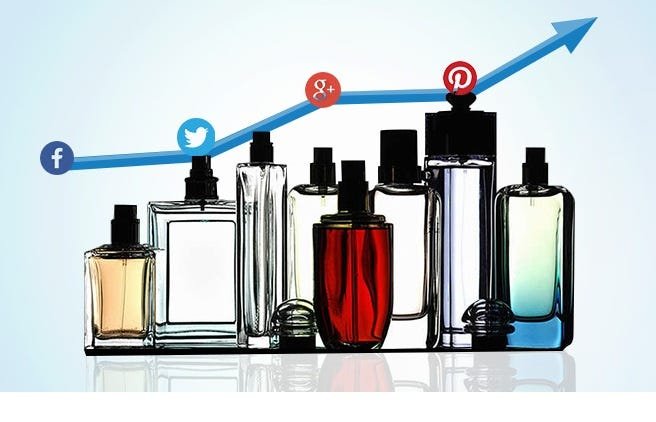
The success of platforms like TikTok, Shopee, Lazada, and Facebook Marketplace has transformed the way Filipinos shop. With just a smartphone and a stable internet connection, anyone can launch a virtual perfume store. Some successful resellers are even earning five to six figures a month by building loyal audiences on TikTok through “scent tests” and #PerfumeReviewPH hashtags.
With the help of user-friendly payment methods such as GCash, Maya, and COD, customer transactions are smoother and more convenient than ever.
Types of Perfume Resellers
There are several models of perfume reselling in the Philippines:
- Direct Resellers – Individuals who buy in bulk from a supplier like FragranceShop.ph and sell at a markup.
- Dropshippers – Sellers who take orders and pass them on to a supplier who ships directly to the buyer. This minimizes inventory and logistics headaches.
- Affiliate Marketers – Influencers or content creators who earn commissions by promoting perfume links through affiliate programs.
Each method has its pros and cons, but all can be effective with the right approach and marketing strategy.
What to Look for in a Perfume Supplier
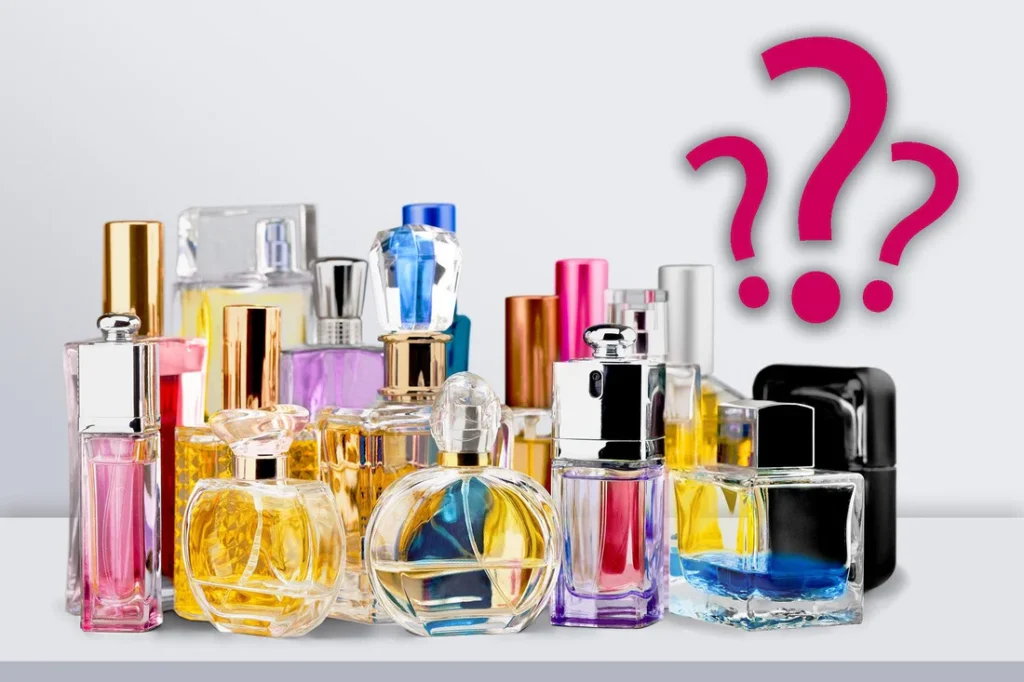
Before becoming a reseller, it’s crucial to choose the right perfume supplier. Here are a few key factors to consider:
- Product Quality
Check whether the supplier offers oil-based perfumes that are long-lasting and skin-friendly. Look for reviews or testimonials from other resellers and test the scents yourself if possible.
- Packaging Options
Customers often judge perfumes by their bottles. Suppliers that offer leak-proof, elegant packaging (such as bamboo caps, square bottles, or Chanel-style crimp bottles) have a competitive edge. Explore the Perfume Bottles Collection at FragranceShop.ph for professional packaging options.
- Pricing and Profit Margin
Compare the reseller price vs. the suggested retail price. Aim for suppliers that allow you at least 30–50{d845f68d437dbcb4eb9bbbc65ea5727df097c38bab47ee25df9accf738a19594} profit margins while staying competitive in the market.
- Shipping & Delivery
Fast, secure, and affordable shipping is a must. Make sure the supplier works with reliable couriers and offers nationwide delivery, including provincial areas.
- Business Support
Look for suppliers that provide marketing support, reseller training, and easy reordering processes. Some, like FragranceShop.ph, even offer customized labels and branding to help you scale.
How to Start Your Own Perfume Reselling Business
If you’re interested in joining this trend, here’s a simple roadmap to get you started:
- Choose Your Niche
Will you sell perfumes for women, men, unisex scents, or custom gift boxes? Pick a focus that aligns with your audience.
- Sign Up with a Trusted Supplier
Partner with a reliable provider such as FragranceShop.ph that supports new sellers and offers reseller packages.
- Set Up Your Online Store
You can use platforms like Shopee, TikTok Shop, or build your own website using free builders like Strikingly or Brizy.
- Promote Your Brand
Use Facebook Ads, TikTok videos, and Instagram stories to showcase your products. Offer promos like “Buy 2, Get 1 Free” or free shipping on first orders.
- Build Customer Trust
Offer authentic reviews, respond quickly to messages, and ensure timely delivery. Good customer service can lead to repeat sales and word-of-mouth referrals.
Legal Considerations and Business Tips
Although reselling is generally low-risk, there are still some business considerations to keep in mind:
- Register Your Business – If you’re scaling up, consider registering your perfume business with DTI (Department of Trade and Industry) and getting a BIR permit for compliance.
- Label Transparency – Clearly label product contents, especially if you’re using inspired fragrances. Avoid trademark infringement by not using brand names like “Creed” or “Chanel” directly unless authorized.
- Know the Difference Between Eau de Parfum and Perfume Oil – Educate your customers on the differences in concentration, longevity, and pricing.
Final Thoughts
The perfume reselling trend in the Philippines isn’t just a passing fad — it’s a profitable opportunity for those with the right products, passion, and marketing strategy. Whether you’re a student, stay-at-home parent, or full-time entrepreneur, getting started has never been easier.
By partnering with reputable suppliers like FragranceShop.ph, offering unique and quality scents, and tapping into the power of social media, you can turn a small investment into a thriving fragrance business.
Related Reads:
by fragranceshop.ph | Jun 26, 2025
Starting a perfume business in the Philippines can be a lucrative opportunity for aspiring entrepreneurs who are passionate about scents and branding. The local demand for affordable, long-lasting fragrances continues to grow, especially with the rise of small perfume brands and online resellers. But how much capital do you really need to get started?
In this article, we’ll break down the estimated startup costs, suggest ways to save money, and give tips on where to source affordable perfume materials in the Philippines. Whether you’re a student, side hustler, or a full-time entrepreneur, this guide is your roadmap to launching your own fragrance brand.
Step 1: Determine the Scale of Your Perfume Business

Before diving into the numbers, it’s important to know what kind of perfume business you plan to build. Here are three typical setups:
- Small-Scale (Side Hustle)
✔ Budget: ₱5,000 – ₱15,000
✔ Goal: Sell to friends, online via Facebook/Instagram, or small markets
✔ Volume: 10–50 bottles per batch
- Mid-Scale (Online Store or Kiosk)
✔ Budget: ₱20,000 – ₱50,000
✔ Goal: Build a small brand, start rebranding, expand to Shopee/Lazada
✔ Volume: 100–300 bottles per batch
- Full-Scale (White Label Brand)
✔ Budget: ₱80,000 – ₱150,000+
✔ Goal: Launch a full brand with custom packaging, store resellers
✔ Volume: 500+ bottles, branding + marketing
Your capital depends on your target market and sales channels. Do you plan to sell perfumes in malls, online, or resell to others? Will you use plain packaging or go for custom branding?
Step 2: Startup Cost Breakdown (Philippines)
Let’s now explore the typical costs associated with launching a perfume business in the Philippines:
1. Fragrance Oils
Your perfume’s scent is the heart of your product. Sourcing high-quality oils is essential.
- 100ml Designer-Inspired Fragrance Oils: ₱200 – ₱400 each
- For 10–50 bottles: ₱1,000 – ₱4,000
💡 You can buy long-lasting fragrance oils at FragranceShop.ph – Fragrance Oils at affordable wholesale prices.
2. Perfume Bottles & Packaging
Elegant packaging increases the perceived value of your perfume.
- Crimp Spray Bottles (50ml): ₱25 – ₱50 each
- Bamboo cap, Chanel-style, or LV-style bottles: ₱50 – ₱75
- Labels or stickers (basic): ₱300 – ₱1,000 per batch
- Total for 50 bottles: ₱2,000 – ₱3,500
👉 View stylish bottles at FragranceShop.ph – Perfume Bottles
3. Raw Materials
These are the essential ingredients for mixing your perfume.
- DPG (Dipropylene Glycol): ₱150 – ₱250 per liter
- Ethyl Alcohol (Perfumery Grade): ₱180 – ₱250 per liter
- Distilled Water: ₱50 – ₱80 per gallon
- Fixatives (optional): ₱300 – ₱500
🌿 All available at FragranceShop.ph – Raw Materials
4. Perfume Tools
You’ll need basic tools for mixing and bottling.
- Measuring cups: ₱100 – ₱200
- Mixing beaker: ₱150
- Crimping tool (manual): ₱800 – ₱1,500
- Funnels, gloves, droppers: ₱200 – ₱500
🧪 Tip: Get an affordable perfume starter kit to begin easily.
5. Branding and Marketing
To build trust, you need visual identity and online presence.
- Logo design: ₱500 – ₱2,000
- Social media setup: ₱0 – ₱1,000
- Packaging design (optional): ₱1,000 – ₱3,000
- Facebook/Instagram Ads (starter): ₱500 – ₱2,000
- Free options: Canva for design, Shopee/Lazada for listings
Sample Capital Plans Based on Business Size
Here are realistic estimates for different business levels:
| Business Type |
Estimated Capital |
Expected Output |
| Small-Scale |
₱5,000 – ₱15,000 |
20–50 bottles |
| Mid-Scale |
₱20,000 – ₱50,000 |
100–300 bottles |
| Full Brand |
₱80,000 – ₱150,000+ |
500+ bottles, custom branding |
Where to Buy Perfume Supplies in the Philippines
One of the most critical parts of your business is your supplier. A reliable supplier ensures consistent quality and pricing.
We highly recommend FragranceShop.ph — a trusted local supplier with:
✅ Long-lasting designer-inspired fragrance oils
✅ Leak-proof, stylish bottles (50ml, 100ml)
✅ Raw materials like DPG, ethanol, fixatives
✅ Starter kits, branding options, and rebranding services
✅ Bulk pricing and delivery nationwide
📦 You can visit their page on Perfume Rebranding in the Philippines to explore white-label services if you want to build your own brand.
Tips to Reduce Your Starting Capital
- Buy in bulk with friends to split costs
- Use simple packaging when starting out
- Start with 1–2 fragrance variants, not 10
- Reuse measuring tools or containers from your kitchen
- Design your labels using free tools like Canva
- Focus first on social media selling – it’s free!
Should You Start as a Reseller First?
Yes, if you’re still exploring the perfume industry, becoming a reseller is a great entry point. It allows you to learn the basics without the stress of mixing or branding yet.
FragranceShop.ph also supports dropshipping and wholesale resellers, making it easier for beginners to enter the market.
How Fast Can You Get ROI?
Return on investment (ROI) can happen within 2–4 weeks if done right.
Let’s say you produce 50 bottles at ₱70 cost each (₱3,500 total).
You sell them for ₱150–₱200 each:
- Sales: ₱7,500 – ₱10,000
- Profit: ₱4,000 – ₱6,500
- ROI: 100{d845f68d437dbcb4eb9bbbc65ea5727df097c38bab47ee25df9accf738a19594} to 180{d845f68d437dbcb4eb9bbbc65ea5727df097c38bab47ee25df9accf738a19594} in less than a month
Final Thoughts
Starting a perfume business in the Philippines doesn’t have to cost a fortune. You can begin with as little as ₱5,000 or scale it up depending on your goals. What matters most is quality, branding, and consistency.
With the right supplier — like FragranceShop.ph — and a clear plan, you can turn your passion for scents into a thriving business.
Internal Resources You Might Like:
- Perfume Rebranding Services – FragranceShop.ph
- Buy Fragrance Oils in Bulk
- Raw Materials for Perfume Making
- Perfume Bottles Collection
- Starter Kits for Beginners

by fragranceshop.ph | Jun 25, 2025
When sourcing perfume supplies in the Philippines, businesses—from indie artisans to boutique brands—can face unique challenges. Navigating these pitfalls is essential for developing quality products, protecting profits, and building customer trust. Below is a comprehensive guide to the 5 Mistakes to Avoid When Sourcing Perfume Supplies in the Philippines, along with actionable tips and valuable resources to elevate your fragrance venture.
1. Overlooking Ingredient Quality Standards

Why This Matters
Your fragrance’s reputation is only as strong as its ingredients. Substandard oils, alcohols, or additives can lead to poor scent performance, skin irritation, or legal complications.
Common Missteps
- Trusting price over purity: Companies that offer suspiciously low prices likely use diluted or synthetic substitutes.
- Skipping lab reports: You may never know if your oils contain allergens, adulterants, or are mislabeled.
- Ignoring regulatory compliance: Philippine laws and ASEAN Cosmetic Directives require accurate ingredient declarations—non-compliance can incur fines or recalls.
How to Avoid It
- Vet suppliers thoroughly: Ask for Certificates of Analysis (COAs), MSDS, and third-party lab reports.
- Perform spot checks: Order small sample batches before committing to bulk.
- Stay informed on regulations: The ASEAN Cosmetic Directive (high-authority resource) is essential for regulatory compliance.
- Partner with accredited labs: If in-house testing isn’t viable, outsource to reputable facilities in Metro Manila or nearby provinces.
2. Failing to Verify Supplier Credibility

Why This Matters
A supplier might overpromise—claiming to be a major exporter, deliver pure essential oils, or guarantee on-time shipments—yet deliver otherwise.
Common Missteps
- Zero background checks: Businesses may rely solely on enticing sales pitches.
- Overlooking contract terms: Loose agreements can leave you vulnerable to poor pricing, quantity mismatches, or late delivery.
- Ignoring referrals and reputation: Even local feedback is vital in the Philippine business context.
How to Avoid It
- Check business registration: Confirm legitimacy through the Philippine Department of Trade and Industry (DTI) or Securities and Exchange Commission (SEC).
- Request client references: Especially from brands or perfumers in the same tier as yours.
- Review contracts meticulously: Define product specs, delivery schedules, liability clauses, and dispute resolution.
- Test small orders: A pilot run reduces risk and builds a working relationship.
- Neglecting Supply Chain Transparency
Why This Matters
Today’s consumers care deeply about sustainability, ethics, and traceability. A secretive or opaque supply chain can damage reputation and turn customers away.
Common Missteps
- Accepting vague sourcing claims: “Natural” or “eco-friendly” labels without origin proof are often misleading.
- Overlooking environmental practices: Suppliers may source from endangered ecosystems or forestlands.
- Ignoring labor conditions: Labor exploitation in essential oil farms (e.g. sandalwood, agarwood) has serious ethical implications.
How to Avoid It
- Demand origin stories: Ask for full documentation—country of origin, harvest date, processing methods, farm certifications.
- Choose ethical suppliers: Look for those with FSC, Fair For Life, Rainforest Alliance, or Ecocert certifications.
- Practice supplier audits: Fact-check claims via audits or by requesting proof such as images, site visits, or aggregator reports.
4. Misjudging Cost Structures & Hidden Fees

Why This Matters
Low headline prices may hide high shipping costs, customs fees, currency fluctuations, or minimum order requirements that damage budgets.
Common Missteps
- Ignoring all-in costs: Suppliers may quote only FOB price, excluding VAT, import duties, and PhilPost charges.
- Underestimating logistics: Poor packaging or shipping routes can lead to spoilage and damage, affecting shelf life.
- Minimizing currency risk: Sudden swings in the Philippine peso can alter final costs substantially.
How to Avoid It
- Request itemized pricing: FOB, sea/air freight, insurance, duties, VAT—all clearly spelled out.
- Understand local import processes: Ingredients may fall under excise or phytosanitary regulations.
- Compare shipping routes: Balance cost and delivery time. Consolidated shipping might be cheaper but slower.
- Negotiate better LOTs (Lots of Terms): Ask for price breaks after certain purchase volumes.
- Monitor currency rates: Use forward contracts or hedge if you regularly import.
5. Skipping Relationship-Building & Collaboration
Why This Matters
Strong partnerships unlock better pricing, co-development opportunities, priority access to rare ingredients, and valuable mutual trust.
Common Missteps
- Transactional partnerships: Viewing your supplier purely as a commodity source limits growth potential.
- No R&D engagement: Suppliers often have insights into new aroma trends, ingredient innovations, or stabilization techniques—but they’ll only share if invited.
- Frequent supplier switching: This undermines trust and may increase costs over time.
How to Avoid It
- Treat suppliers as partners: Ask about their roadmap, new product lines, innovations, and challenges.
- Invest in joint ventures: Sponsor small research batches to develop exclusive scent bases.
- Be consistent: Regular repeat orders build loyalty and leverage.
- Visit manufacturing sites: If feasible, schedule visits to farms or distributors—this reinforces transparency and deepens relationships.
In Summary
Avoiding these five key pitfalls will set your perfume business up for long-term success:
- Ingredient quality: Prioritize purity and compliance
- Supplier credibility: Vet and contract rigorously
- Supply chain transparency: Demand traceable, ethical sourcing
- True costs: Include all logistics, customs, and currency factors
- Partnership approach: Build collaborative, enduring relationships
By being thorough, analytical, and relational, your fragrance brand can not only stay compliant in the Philippines but also craft compelling, market-ready fragrances that resonate with discerning customers.
🔗 Further Resources & Links
- For comprehensive import and trade regulations, visit the ASEAN Cosmetic Directive—essential reading for anyone in regional cosmetics.
- Support your fragrance sourcing needs by exploring local retail and bulk supply options at our trusted partner, fragranceshop.ph—home to premium oils, base materials, alcohols, and packaging.
Pro Tips for Startup Fragrance Brands
- Start small: Test essentials through small-batch orders, perfecting scent and performance before scaling up.
- Build your own lab kit: Even a basic GC‑MS test service (Gas Chromatography–Mass Spectrometry) offers deep insight into ingredient profiles.
- Attend local events: Philippine fragrance meetups or trade fairs (like Philippine International Cosmetics & Beauty Expo) are great for discovering suppliers and networking.
- Use software tools: Inventory and ingredient traceability platforms help maintain regulatory compliance and company reputation.
🇵🇭 Local Perfume Supply Ecosystem
| Supplier Type |
What to Look For |
Expected MOQ |
Lead Time |
| Essential oil farms |
Fair-trade, certified, sustainable sourcing |
1 kg+ |
2–4 weeks |
| Aroma chemical distilleries |
MSDS, purity reports, FLAVOR-AND-AROMA-GRADE |
5 kg+ |
3–6 weeks |
| Perfumer’s blends |
Custom R&D services, fragrance artistry |
10+ pieces |
2–8 weeks |
| Packaging specialists |
Bottles, atomizers, wicking, design licenses |
500+ units |
3–5 weeks |
Use the table as a quick strategic compass for chaining up the right supply partners as your brand evolves from concept to market.
Final Word
Crafting a signature perfume brand in the Philippines isn’t just about buying ingredients—it’s about forging quality, relationships, and brand integrity. By avoiding these five common mistakes, you lay the groundwork for a scent-forward venture that’s ethical, compliant, and uniquely yours.
If you’d like support sourcing bottles, caps, or natural aromatics, explore fragranceshop.ph for curated solutions. Ready for refine your scent story? I’d love to chat more—feel free to ask!