“Gaano katagal ang amoy?” It is the first question almost every Filipino customer asks about a perfume. In a country where the heat index regularly climbs and humidity stays high, longevity can make or break a local perfume brand. If your customers say your scent disappears after an hour, they will not reorder, no matter how beautiful it smells.
This guide is for local perfume makers who want to know how to make perfume last longer at the formulation stage, not just with spraying tricks. We will cover oil concentration, fixatives, base notes, maceration, packaging, and the advice you can share with customers so your perfumes perform in Philippine weather.
Why Perfume Fades Faster in the Philippines
Perfume is a blend of volatile aromatic materials. Heat speeds up evaporation, so in hot weather the lighter top notes vanish quickly. Sweat and humidity can also change how a scent sits on skin. On top of that, many people spend the day moving between scorching streets and cold air-conditioned rooms, which affects how a fragrance develops.
That means a formula that performs well in a cool European climate may feel weak here. Local perfume makers need to formulate with the climate in mind.
1. Increase the Oil Concentration in Your Perfume
The single biggest factor in longevity is the percentage of fragrance oil in your formula. Here is the standard oil concentration in perfume by category:
| Perfume Type | Typical Fragrance Oil Concentration | Typical Wear Time |
|---|---|---|
| Extrait de Parfum / Parfum | 20–30% (sometimes higher) | Longest, often a full day |
| Eau de Parfum (EDP) | 15–20% | Long-lasting |
| Eau de Toilette (EDT) | 5–15% | Moderate |
| Eau de Cologne (EDC) | 2–5% | Short |
| Body Mist | 1–3% | Very short |
Many successful local perfume brands sell at EDP or extrait strength, typically 20–30% fragrance oil, because Filipino customers value performance. Higher concentration costs more per bottle, but it is usually the best investment for reviews and repeat orders. Always stay within the IFRA limits for each fragrance oil you use.
2. Build a Strong Base With Long-Lasting Notes
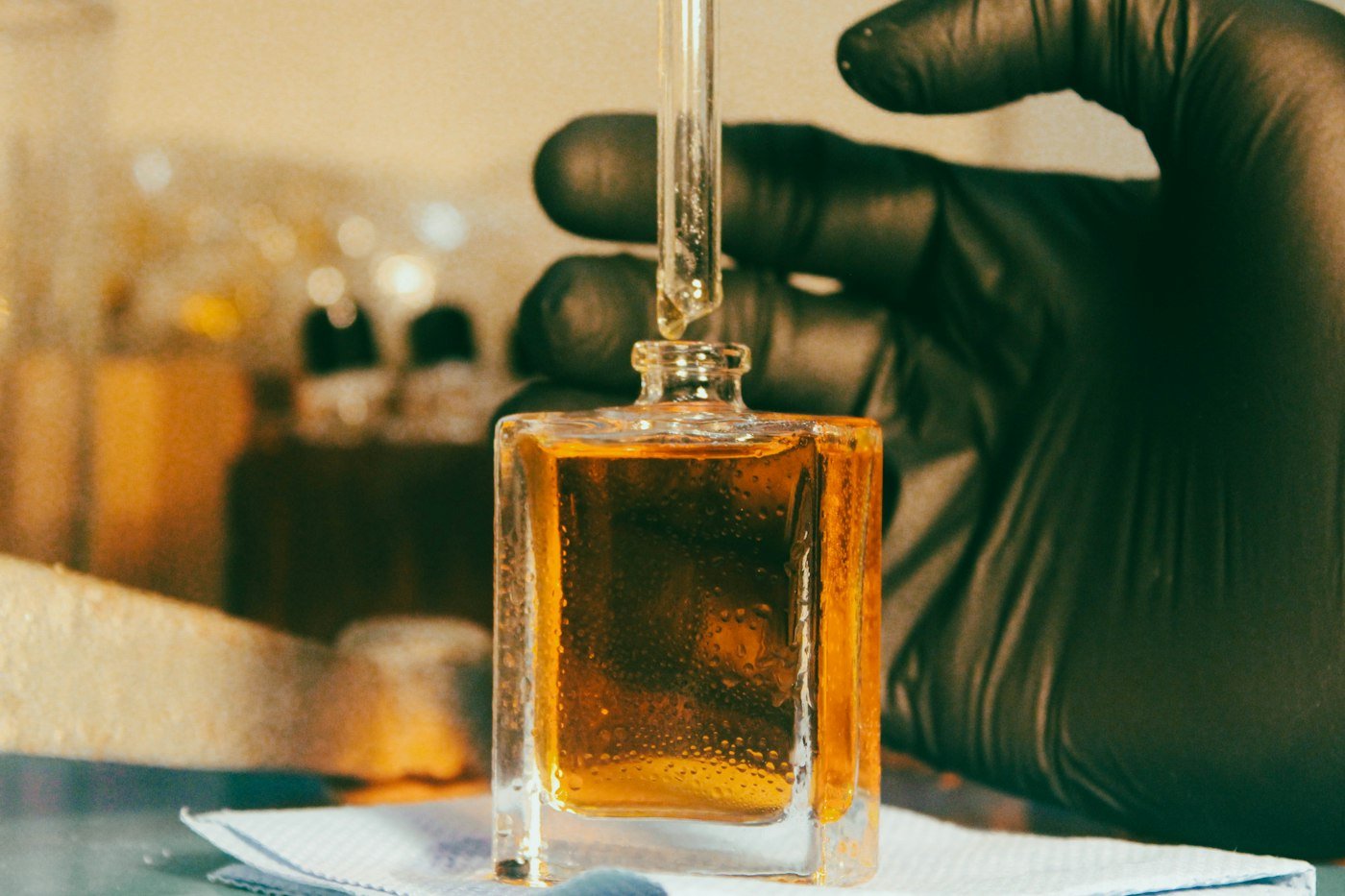
Every perfume has top, middle (heart), and base notes. Top notes like citrus and light herbs evaporate within minutes. Base notes remain for hours. If your formula is mostly top notes, it will fade quickly no matter how much oil you use.
To improve longevity, make sure your scent has a solid foundation of base notes such as:
- Woods: sandalwood, cedarwood, vetiver, patchouli
- Resins and balsams: amber, benzoin, labdanum, tolu
- Musks: clean white musks and skin musks
- Sweet notes: vanilla, tonka, and gourmand accords
- Oud and leather accords
Even a fresh citrus perfume can last longer if it is anchored by a musky or woody base. When choosing from our list of scents, look at the base notes, not just the opening.
3. Use Fixatives Wisely
Fixatives are materials that slow down the evaporation of other ingredients and help the scent “hold” on skin. In modern perfumery, common fixative materials include certain musks, ambroxan-type ambery woods, resinoids, and vanillin-type materials. Many professional fragrance oils already include well-balanced fixation, which is one reason quality oils from established fragrance houses perform better than cheap alternatives.
If you add fixatives yourself, do it carefully and in small amounts. Too much can flatten the scent or change its character. Test small batches and wear them for a full day before scaling up.
4. Choose the Right Alcohol or Base
For spray perfumes, use proper perfumer’s alcohol (cosmetic-grade ethanol formulated for fragrance). Rubbing alcohol and low-grade alcohols carry off-odors and can make the scent smell harsh. Some makers add a small amount of a solubilizer or a fragrance-friendly glycol to smooth the blend, but keep additives minimal and documented.
If you want maximum skin longevity with softer projection, consider offering an oil-based version too. Read our complete guide to oil-based perfume for carrier oils and concentration tips.
5. Do Not Skip Maceration
Maceration is the resting period after mixing fragrance oil with alcohol. During this time the materials blend and mature, and the scent becomes rounder and often stronger. Selling a perfume the same day you mix it is one of the most common reasons local brands get “mabilis mawala” complaints.
- Minimum: 1–2 weeks for most blends.
- Better: 3–6 weeks for rich, woody, or oriental scents.
- Store in sealed glass, in a cool, dark place, and shake gently every few days.
- Optional: chill and filter before bottling for a clearer finished product.
Our perfume making tutorial walks through mixing and maceration step by step.
6. Protect Your Perfume From Heat and Light
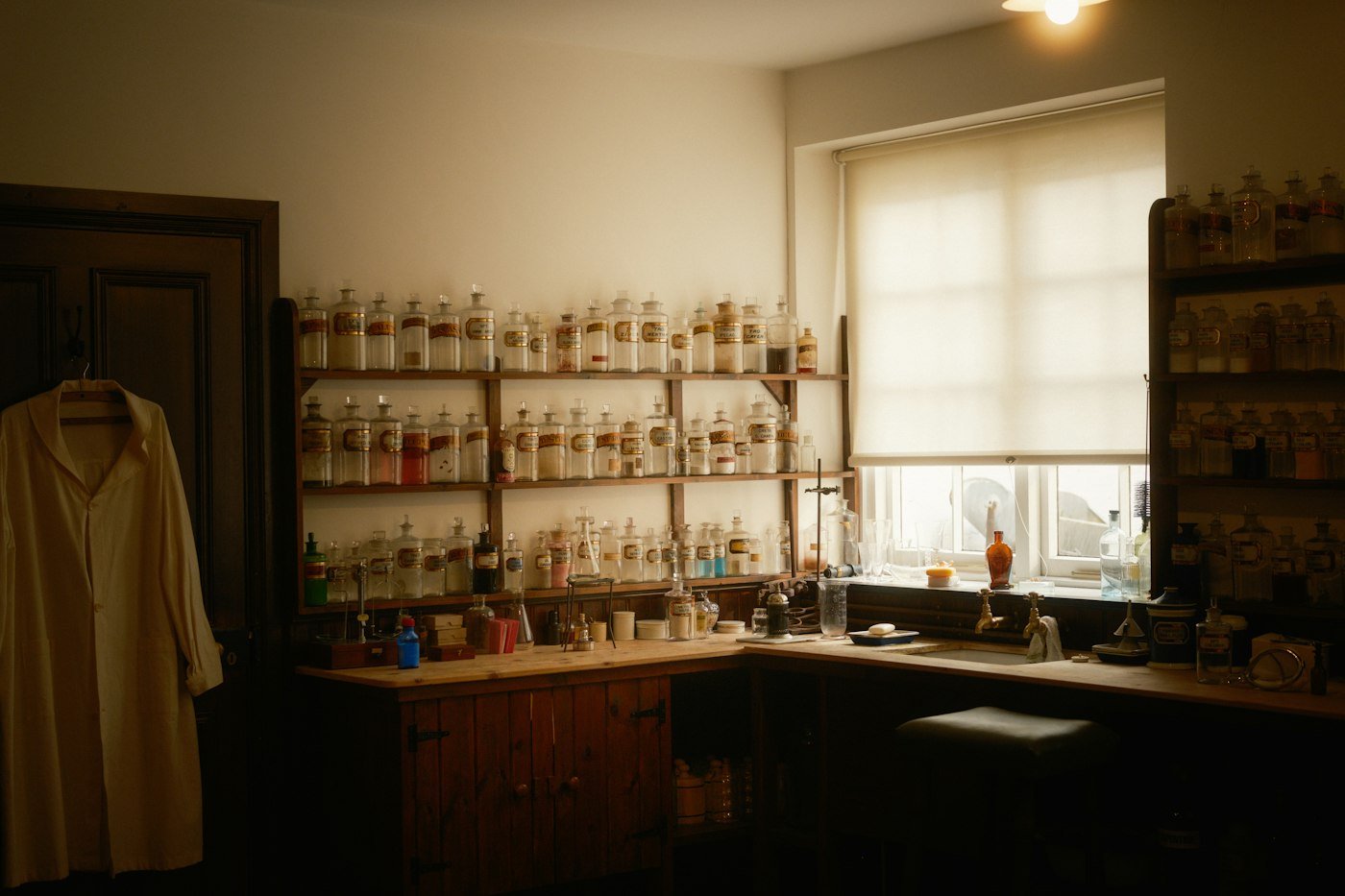
Even a well-made perfume can degrade if it is stored badly. Heat and sunlight break down fragrance materials and make scents weaker or sour over time. As a maker, store your raw fragrance oils and finished stock in a cool, dark room, and avoid leaving inventory in hot vehicles or near windows.
Packaging matters too. Tight-sealing sprayers and quality bottles reduce evaporation and leaks. Browse our unique perfume bottles for options that look great and protect your scent.
7. Test Like Your Customers Wear It
Lab tests on a blotter strip are useful, but your customers wear perfume on skin, in traffic, in the office, and outdoors. Before launching a scent:
- Wear-test on several people with different skin types.
- Check the scent at 1, 4, 8, and 12 hours.
- Test both outdoors in the heat and in air-conditioned spaces.
- Compare different concentrations side by side, such as 20% vs. 25%.
Record your results so every future batch uses the formula that performed best.
Tips to Share With Your Customers
Good formulation is half the battle. Educating buyers helps them get the most from your perfume and leads to better reviews. Share these tips on your product pages, inserts, and social media:
- Apply perfume after a shower on moisturized skin. Unscented lotion helps the scent last.
- Spray on pulse points: wrists, neck, behind the ears, and inside the elbows.
- Do not rub wrists together, which can speed up the fading of top notes.
- Spray a little on clothes or hair (from a distance) for extra longevity, testing fabric first.
- Store bottles away from the bathroom and direct sunlight.
- Carry a travel atomizer or roll-on for reapplication on long days.
Frequently Asked Questions
What oil concentration makes perfume last the longest?
Extrait-strength perfumes, typically 20–30% fragrance oil, generally last the longest. However, the formula’s base notes and fixatives matter just as much as the percentage.
Why does my homemade perfume fade quickly?
The most common reasons are low oil concentration, too many light top notes, low-quality alcohol or oils, and skipping maceration.
Does expensive fragrance oil really last longer?
Quality fragrance oils from established houses are usually better balanced and fixed, so they tend to perform more consistently than cheap oils of unknown origin.
Make Long-Lasting Perfumes With FragranceShop.ph
Longevity starts with the right materials. FragranceShop.ph supplies fragrance oils from Argeville, Givaudan, LUZI, and Iberchem, plus ready-to-use perfume premix for makers who want consistent results. Contact us for recommendations on long-lasting scents for the Philippine climate.